
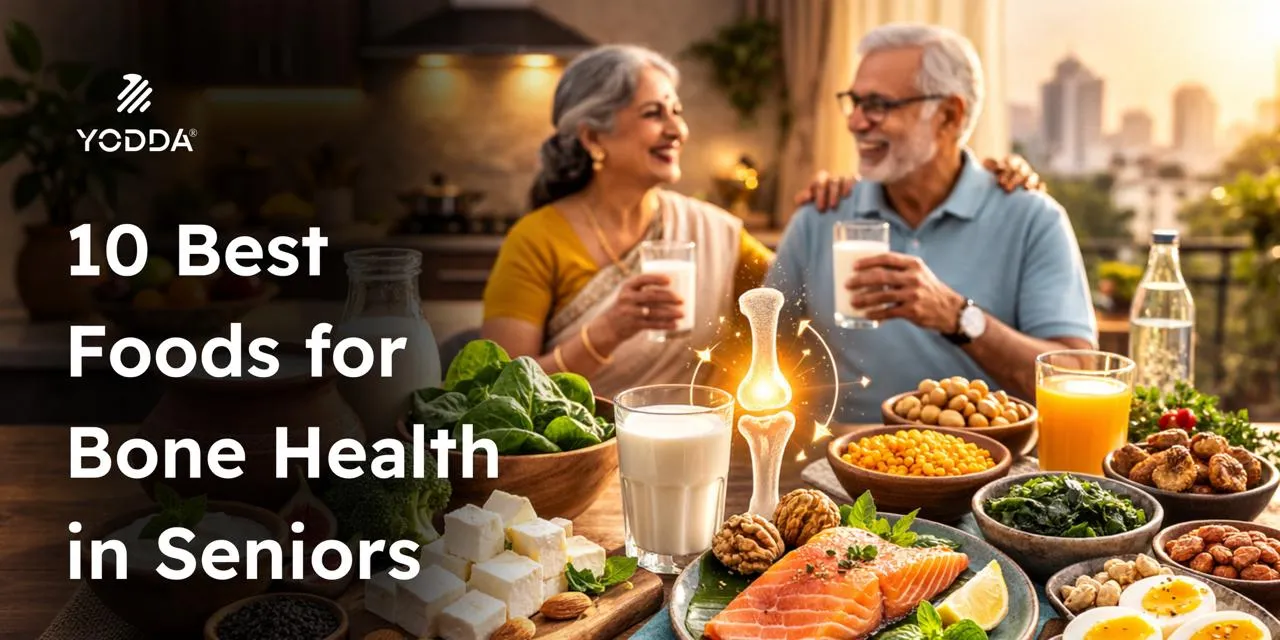
Bone health is worth discussing before a difficulty becomes part of daily life. Your clinician can help assess personal risk and whether tests or treatment are needed. Food is one practical part of that conversation, alongside activity and other individual needs.
The good news is that what you eat plays a major role in slowing this process down. The right foods for bone health give your body the calcium, vitamin D, and other nutrients it needs to keep bones strong. You do not need a complicated diet plan. Small, consistent choices make a real difference. In this blog, we recommend the 10 best foods for bone health in seniors, and why each one matters.
Why Bone Health Matters More After 60
Bones are living tissue. Your body constantly breaks down old bone and builds new bone in its place. This process is called remodeling.
Bone health changes over time, but an individual’s needs cannot be inferred from age alone. Ask the clinician whether an assessment is appropriate and which practical steps fit your circumstances.
According to the Mayo Clinic, factors such as low calcium intake, lack of exercise, and declining hormone levels can accelerate bone loss. A low-calcium diet, in particular, may lead to reduced bone density and bones that break more easily.
Eating the right foods to improve bone health is one of the most practical and affordable ways for seniors to protect themselves.
Explore support from Yodda
What Nutrients Support Bone Health?
Before diving into the food list, it helps to understand what nutrients your bones actually need.
Calcium is the most important mineral for bone structure. Your body cannot produce calcium on its own. It must come from your food. Ask your doctor or dietitian how much calcium you need and whether your current meals provide enough.
Ask the doctor whether your food provides enough vitamin D and whether any testing or prescribed supplement is appropriate for you.
Magnesium helps your body properly use calcium and vitamin D. It also helps harden and strengthen bone tissue.
Vitamin K supports bone formation and helps direct calcium to the bones rather than the blood vessels.
Protein is essential for bone structure. Many seniors do not eat enough protein, which weakens both muscles and bones.
Now, here are the top foods that promote bone health for elders:
1. Milk
Milk may contribute useful nutrients if it suits the person. Products and fortification vary, so check the label and discuss portions with a dietitian, including any fluid or other dietary restrictions.
Milk also provides protein, magnesium, and phosphorus. All of these play a supporting role in maintaining bone strength. For seniors who cannot drink cow's milk, plant-based options like soy or oat milk are often fortified with similar nutrients.
2. Yogurt
Yoghurt can be a convenient option for someone who enjoys it. Compare labels for nutrients and added sugar, and choose a texture and portion that suit the person. It is not automatically suitable for everyone. Further reading: Yogurt.
Many yogurts are also fortified with vitamin D. Look for plain or low-sugar varieties. They carry the same bone benefits with an amount of added sugar that suits your dietary needs. Yogurt is one of the simplest and most effective foods that provide useful nutrients for bones that seniors can add to their daily routine.
3. Cheese
Cheese is a rich source of calcium. Even a small portion can add meaningful amounts to your daily intake. Parmesan and cheddar are among the highest in calcium content.
Cheese also contains protein and phosphorus. Both support bone strength. It is best consumed in moderate portions as part of a balanced diet.
4. Salmon
Salmon is one of the best foods to eat for bone health, especially for seniors who want to move beyond dairy. It is a natural source of vitamin D, which many elders are deficient in.
Canned salmon with soft bones is particularly useful. You eat the bones along with the fish, which adds a significant amount of calcium directly to your diet. Fresh salmon also provides omega-3 fatty acids, which help reduce inflammation in joints and bones.
According to the NHS, oily fish such as salmon and mackerel are among the best dietary sources of vitamin D.
5. Sardines
Sardines are one fish option for people who eat them. Check preparation and suitability, including bones and salt content, rather than assuming every product or serving provides the same nutrients.
Sardines are also high in vitamin D and omega-3 fatty acids. They are affordable, easy to find, and simple to add to meals. For seniors looking for foods that promote bone health without spending a lot, sardines are a great option.
6. Leafy Green Vegetables
Vegetables like kale, bok choy, and turnip greens are rich in calcium and vitamin K. Both nutrients support bone health in important ways.
Vitamin K plays a specific role in bone formation. It helps minerals attach to the protein structure of your bones. It also helps direct calcium to the right place in the body.
One important note: spinach is often listed as a calcium-rich food, but it contains a compound called oxalate that reduces calcium absorption. As the NHS points out, spinach is not an effective source of calcium, despite containing large amounts of it. Stick to kale, broccoli, and bok choy for better results.
7. Tofu
Tofu is an excellent plant-based option for seniors who want to improve bone health without relying on animal products. Its calcium content varies with the ingredients used to make it, so check the nutrition label rather than assuming every tofu product provides the same amount.
Tofu also contains protein and isoflavones. Isoflavones are plant compounds that may help slow bone loss, particularly in older women. It is one of the most versatile foods to improve bone health and can be added to soups, stir-fries, or curries.
8. Almonds
Almonds are one of the best snack options for bone health. They contain calcium, magnesium, protein, and phosphorus. All of these nutrients contribute to stronger, denser bones.
Magnesium in particular is often overlooked. It works alongside calcium and vitamin D to harden bones and maintain their structure. Elders are more likely to be deficient in magnesium, making almonds a smart and easy addition to the diet.
A small handful of almonds each day is enough to make a difference. Almond butter is an equally good alternative for those who prefer a spread.
9. Eggs
Eggs are a practical and affordable food for seniors. The yolk contains vitamin D, which is one of the nutrients most difficult to get from food alone. While the amount is smaller than what you would get from fish, eggs still contribute meaningfully to your daily intake.
Eggs are also a good source of protein and phosphorus. They are easy to prepare and digest, which makes them especially suitable for elders. Eating eggs regularly as part of a balanced diet supports overall bone health over time.
10. Fortified Foods
Fortified foods are everyday products that have had key nutrients added. These include fortified cereals, orange juice, plant milks, and some breads.
Many fortified products contain added calcium and vitamin D. For seniors who struggle to meet their daily requirements through whole foods alone, fortified options are a practical and easy solution.
Compare nutrition labels and ask the dietitian which products fit your needs. A fortified food should be considered within the wider diet, rather than chosen to meet an arbitrary label percentage.
Foods and Habits That Weaken Bones
Knowing what to eat is only part of the picture. It also helps to know what to limit.
If you have questions about caffeine, cola or other drinks, discuss your usual intake with a dietitian or clinician. The advice should fit your overall health and medicines rather than a universal limit from an article.
Ask about the effect of smoking and alcohol on your personal health and treatment. If you would like support to change either, your healthcare team can discuss suitable options.
Simple Tips to Get the Most from Your Diet
A few practical habits can help you get more benefits from the foods you eat.
Spread your calcium intake across the day. Your body absorbs calcium more efficiently when you take smaller amounts rather than all at once. Try to include a calcium-rich food in each meal rather than relying on one large portion.
Spend a little time outdoors each day. Sunlight helps your body produce vitamin D naturally. Ask your doctor about suitable ways to meet your vitamin D needs; a fixed amount of time in the sun will not suit everyone.
Ask the clinical team which movement and food choices are appropriate for the person’s bone health. A physiotherapist or dietitian can help adapt advice to their needs and preferences. Related resources: winter diet tips to help older people stay healthy
If you are unsure whether meals provide enough calcium or vitamin D, ask a doctor or dietitian about your personal needs and whether testing or a supplement is appropriate. Do not choose a dose from this guide.
How Yodda Helps Seniors Stay Healthy Every Day
Eating the right foods is important. But for many seniors, the bigger challenge is making it happen consistently every day.
Cooking balanced meals, keeping track of nutrition, managing health conditions, and staying active can feel overwhelming. This is especially true for elders who live alone or away from family.
Ask Yodda about practical shopping, food preparation, company at a meal or help reaching an appointment, where available. Confirm tasks, frequency, costs and clinical-provider responsibilities under the plan. Clinicians guide bone-health assessment and treatment. Ask separately about prescribed reminders, agreed wellbeing contact, sharing concerns and access to a qualified dietitian if those would help.
Frequently Asked Questions - FAQs
Can you improve bone health through diet alone?
Diet plays a major role but works best alongside other healthy habits. Regular weight-bearing exercise, adequate sunlight for vitamin D, and avoiding smoking and excess alcohol all support bone health alongside the right foods.