
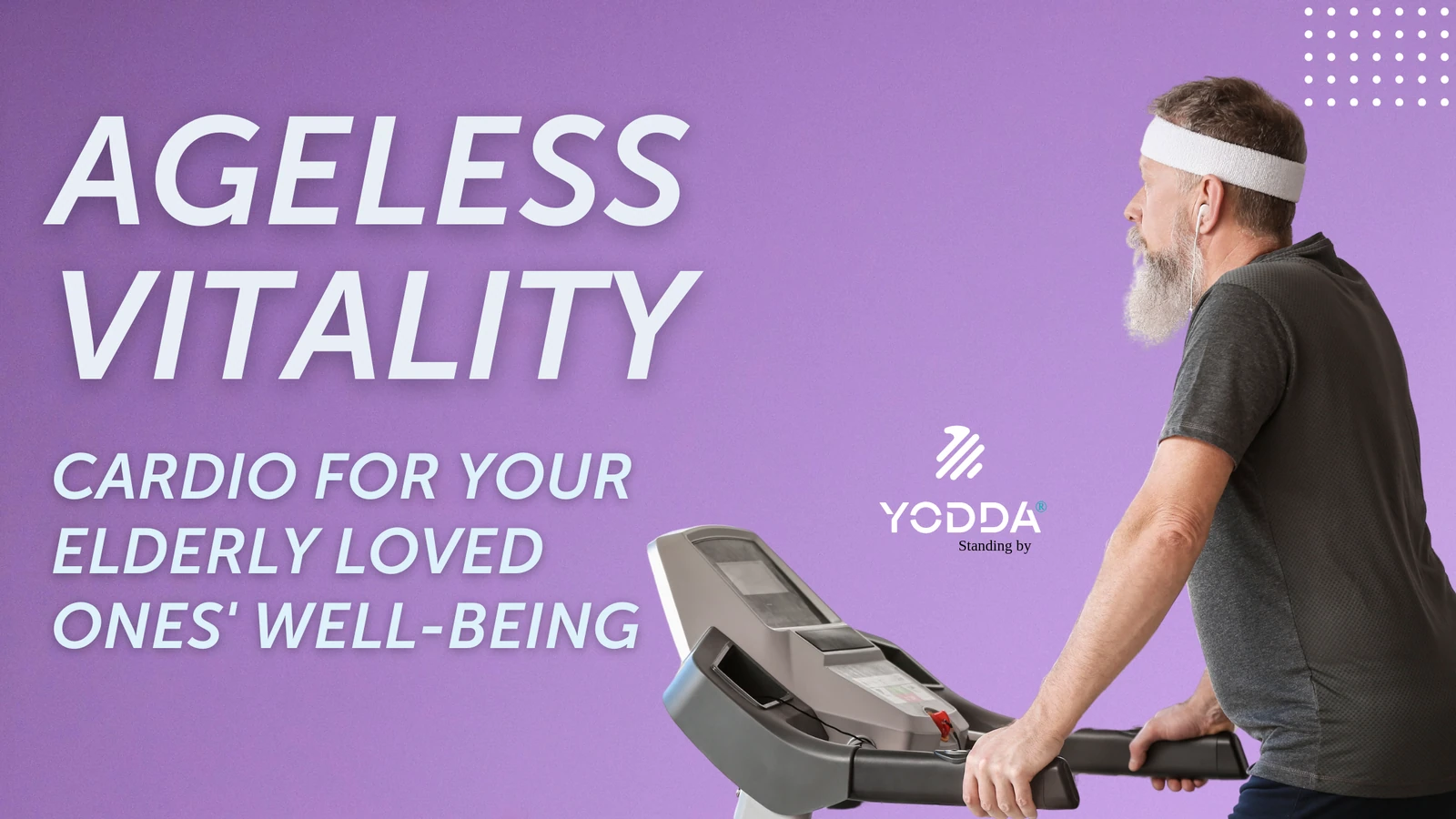
An activity your parent enjoys can be a welcome part of the day. Ask what feels manageable and discuss suitability with the clinical team. This guide offers topics to consider before starting a routine, without promising a particular health outcome.
The Significance of Cardio Exercise for Elderly Parents
Activity choices should fit the person’s health, balance, preferences and surroundings. Walking, swimming or cycling may be options to discuss, but none suits everyone. Ask the clinician or physiotherapist which activities and precautions are appropriate.
Precautions for a Safe Cardio Journey
For elderly parents embarking on a cardio journey during their senior years, several precautions should be observed to plan around individual needs and precautions:
Medical Consultation
It's imperative for elderly parents to seek counsel from healthcare professionals or doctors before initiating any new exercise regimen, particularly if they have underlying health conditions that exercise could affect.
Gradual Progress
Overexertion should be avoided when commencing a new exercise program. Elderly individuals should start slowly and gradually escalate their activity level as their fitness improves.
Listening to Their Bodies
Ask the clinician what symptoms mean an activity should stop, which need urgent help and how to contact the team. Follow that personal plan rather than pushing through discomfort.
Staying Hydrated
Ask about suitable food and fluid advice, particularly if your parent has restrictions related to heart, kidney or other conditions. Do not add a fixed amount of water or snacks simply because an exercise guide recommends it.

The Advantages of Cardio Exercises for Elderly Parents
Regular cardio workouts present numerous benefits for elderly parents, bolstering their health and independence:
Heart Health
Ask what cardiovascular activity is appropriate for the person’s health and current abilities. Agree realistic goals and a review plan rather than promising clear arteries or prevention of a particular event.
Reduced Stroke Risk
Discuss blood-pressure goals and activity with the treating team. A general exercise guide cannot promise that a stroke will be prevented.
Enhanced Lung Function
Improved lung function and capacity, with suitability for a respiratory condition to be discussed with the treating clinician.
Cognitive Enhancement
Consistent aerobic exercise has been associated with enhanced cognitive function in elders, potentially decreasing the risk of dementia.
Increased Energy
Cardio workouts boost energy levels, combating fatigue and enabling elderly parents to carry out daily tasks and engage in hobbies with increased stamina.
Long-Term Activity Goals
Ask what a realistic and enjoyable long-term activity routine could look like. The useful goal is participation that suits the person, rather than a promise of a longer life.
Improved Mental Health
Exercise alleviates symptoms of depression and anxiety, offering significant benefits for elderly individuals who might experience feelings of loneliness and isolation.
Social Connection:
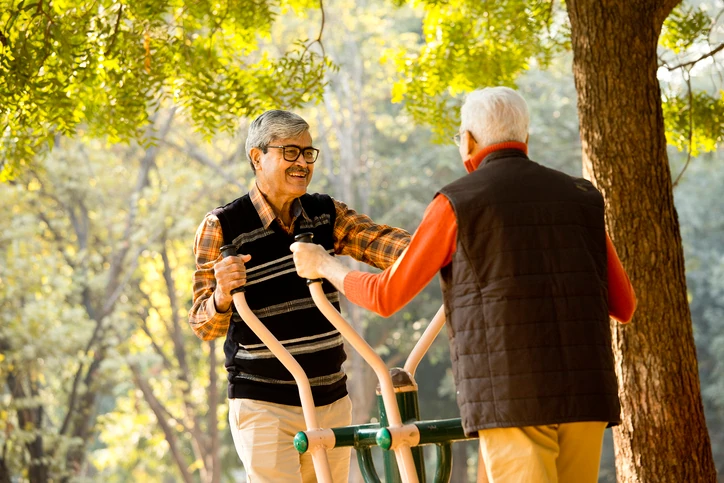
If the elder enjoys company, ask about a suitable group or walking partner. Check the pace, access, supervision and backup arrangements before joining.
Cardio Exercises for Elderly Parents
Several straightforward cardio exercises can be performed by elderly parents in the comfort of their homes:
Walking
Walking stands as an excellent means for elderly parents to partake in cardio exercise without necessitating access to a gym. They can take strolls around their neighborhood, in a nearby park, or even on a home treadmill if available.
Swimming
Swimming offers another low-impact cardio workout, gentle on the joints, and suitable for those with arthritis or joint-related issues.
Cycling
Cycling provides seniors with an opportunity to enjoy fresh air while engaging in cardio exercise. For those without a bike, stationary bikes in a gym or rented bicycles from local shops offer viable alternatives.
Yoga
Yoga proves to be an ideal form of exercise for seniors, enhancing flexibility, balance, and offering cardiovascular benefits.
Embracing a Healthy Lifestyle
The aim is a routine the person can enjoy and sustain. Ask what time, place and company suit them, and follow the care team’s advice on intensity and precautions. It is fine to adapt the plan as needs change.
Nonetheless, before they initiate any exercise program, ensure they consult with their doctor to receive guidance regarding suitable intensity levels. With dedication and support from their loved ones, cardio exercises can substantially enhance their health as they continue their journey through life.