
Table of Contents
Wellbeing includes practical comfort, health, feelings and relationships. Each person gives these different weight. A useful plan begins with what your parent enjoys, what is becoming difficult and which small changes they would welcome.

Understanding Everyday Wellbeing
Holistic wellness, a term you've likely encountered, signifies a comprehensive approach to well-being. It is the balance and harmony of physical, mental, and emotional health. It recognises the interconnectedness of these aspects, understanding that they influence one another.
The significance of holistic wellness cannot be overstated. When one dimension of well-being falters, it can adversely affect the others. For example, chronic physical health issues may lead to mental health challenges, such as depression or anxiety. Therefore, nurturing all these facets is the key to a healthier, happier life.
Components of Holistic Wellness (Physical, Mental, Emotional)
Physical Wellness:
Physical wellness pertains to the health of our bodies. It involves maintaining a balanced diet, regular exercise, and sufficient rest. This dimension includes routine medical check-ups and being attuned to our body's signals for rest and recovery.
Mental Wellness:
Mental wellness revolves around cognitive health. It encompasses activities that stimulate our minds, such as reading, puzzles, and learning new skills. Social interactions also play a pivotal role in preserving mental health, as they keep us connected and engaged with the world.
Emotional Wellness:
Emotional wellness focuses on understanding and managing our emotions. It entails recognizing our feelings, expressing them in a healthy manner, and sustaining a positive outlook. Stress management and relaxation techniques, like mindfulness and meditation, significantly contribute to emotional well-being.
Physical Wellness for Indian Seniors
Significance of Physical Activity:
Physical activity is the cornerstone of health, especially as we age. Regular exercise sustains mobility, strength, and balance, reducing the risk of falls and other injuries. It also aids in managing chronic illnesses and bolsters overall immunity.
Recommended Types of Physical Activities for Seniors:
Seniors should opt for low-impact and enjoyable activities. Tai Chi, Yoga, and walking are excellent choices, as they gently engage various muscle groups and improve balance. Water aerobics and light strength training can also be beneficial. However, it's imperative to consult a healthcare provider before commencing any new exercise regimen.
The Role of a Balanced Diet and Hydration:
A balanced diet furnishes essential nutrients, fuels physical activity, and upholds overall health. Seniors should focus on a variety of fruits, vegetables, lean proteins, and whole grains while limiting salt and sugar intake. Hydration is equally crucial, given seniors' elevated risk of dehydration.
The Importance of Regular Health Check-ups:
Regular health check-ups enable early detection and management of potential health issues. They are vital for monitoring existing conditions, adjusting medications as necessary, and preventive care.
Mental Wellness for Indian Seniors
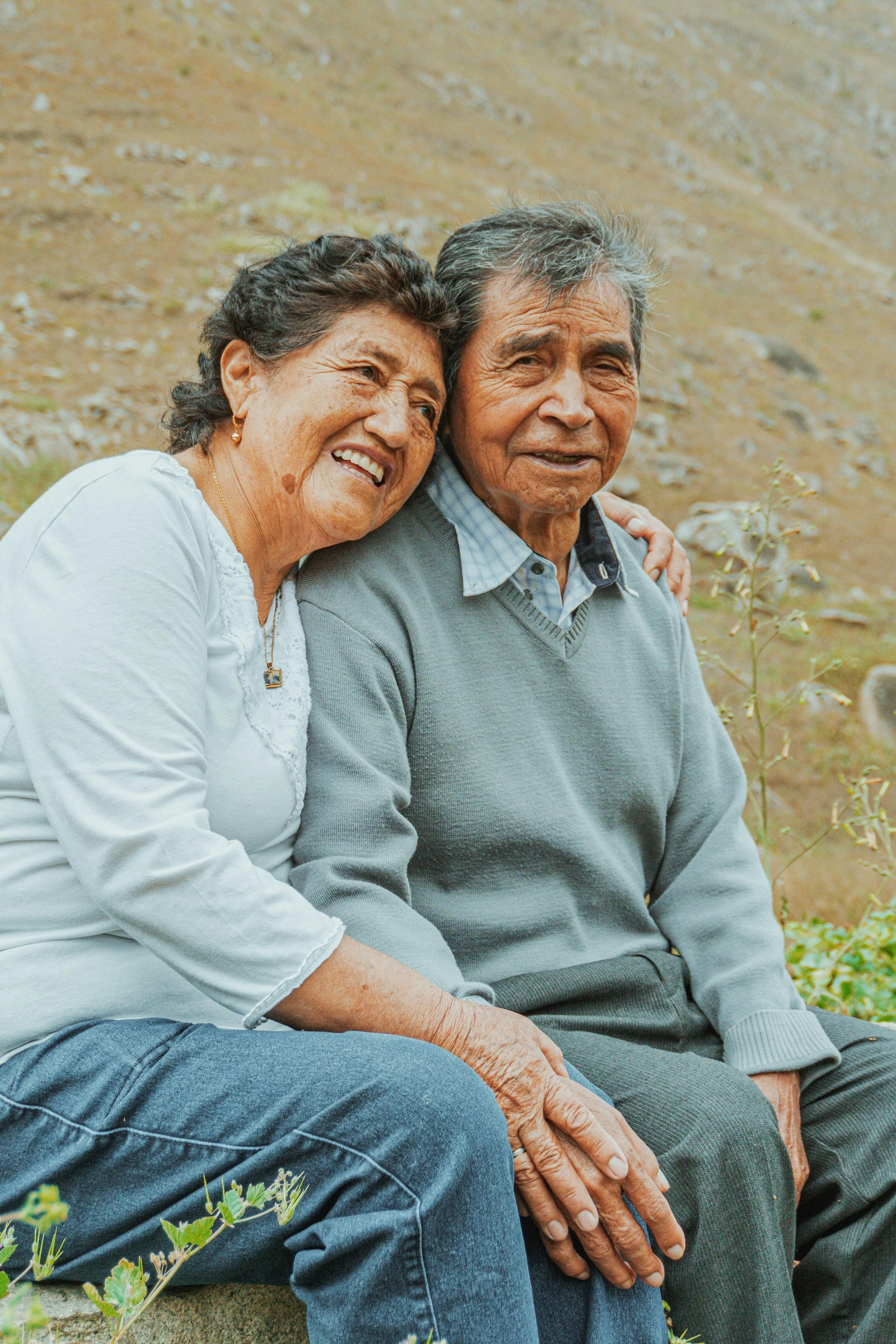
The Importance of Mental Stimulation and Cognitive Health:
Choose reading, puzzles, music or learning because the person enjoys them. A new concern about memory or thinking should be assessed, rather than managed only with activities.
Activities for Mental Stimulation and Cognitive Well-being:
Reading, puzzles, games, learning new skills or languages, and even gardening can offer mental stimulation. Incorporating these activities into daily life can be both enjoyable and beneficial for cognitive health.
The Role of Social Connections and Hobbies:
Regular social interactions combat feelings of loneliness and depression. Hobbies offer a sense of purpose and enjoyment, both critical for sustaining mental wellness
The Significance of Stress Management and Emotional Balance:
Stress can profoundly affect physical and mental health. Learning to manage stress and maintain emotional balance leads to an enhanced overall well-being.
Ways to Manage Stress and Foster Emotional Health:
Mindfulness, meditation, deep breathing exercises, and yoga can effectively manage stress. Expressing emotions through activities like journaling or art can also be therapeutic.
The Role of Family, Friends, and Community Support:
A robust support network significantly influences emotional wellness. Regular interaction with loved ones, participation in community activities, and seeking professional help when needed foster emotional health.
The Role of Family, Caregivers, and Healthcare Providers
Family, caregivers, and healthcare providers play pivotal roles in seniors' holistic wellness. They offer support, promote healthy habits, and facilitate health-related decisions.
Choose one manageable starting point and review it together. A routine can change with energy, circumstances and preferences. The self-care choices guide helps compare activities that suit you.