
Supporting an elder’s health often involves more than arranging a single appointment. Daily routines, transport, meals, friendships and family communication can all matter. The options below can help you discuss what would make life easier, with the elder’s preferences guiding the plan.
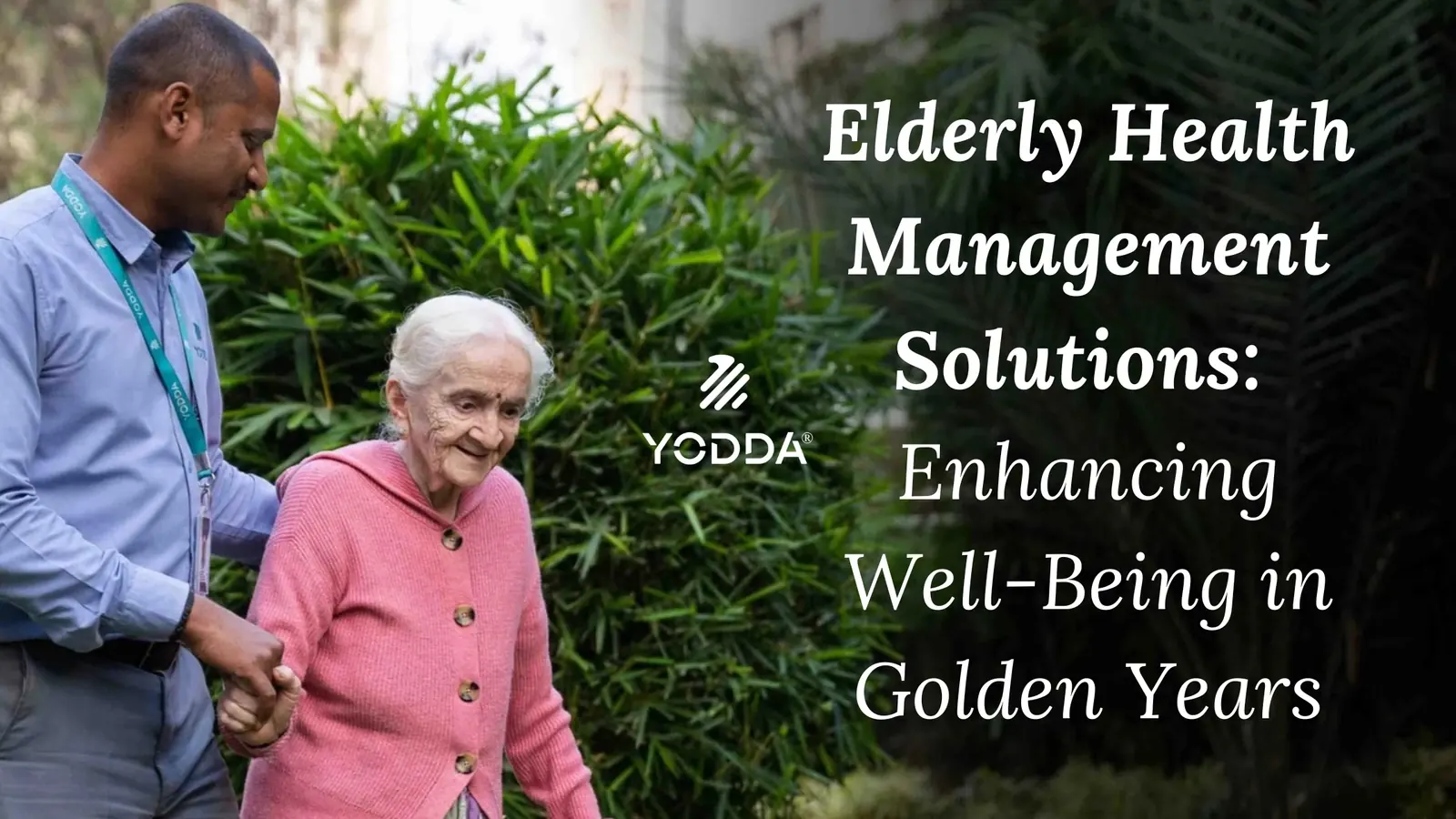
In-Home Health Care Services
Home support can range from practical help with daily tasks to clinical visits delivered by qualified providers. Ask what the elder wants help with and what the doctor recommends, then confirm the person’s role, hours, qualifications and costs.
Telehealth for Remote Monitoring in Elderly Health Management
Remote consultations may be useful for some appointments, while other concerns need an examination in person. Ask the healthcare provider what is suitable, how reports are shared and what happens if a connection fails.
Geriatric Care Management Programs: A Key to Elderly Health Management
A care coordinator can help organise appointments, services and communication. Ask who is responsible for each task and how the elder’s preferences are recorded. Coordination should make the arrangement clearer, not take decisions away from the person.
Nutrition and Wellness Programs
Meals and suitable activity are easier to sustain when they fit familiar routines. Discuss appetite, chewing, swallowing and any dietary restrictions with a qualified professional, then organise practical help where it would make a difference.
Memory Care Services: Specialist Memory Support
For someone living with dementia, daily support needs an individual plan. Ask the clinical team about communication, supervision and changing needs, and include time and support for caregivers. Activities should reflect the person’s preferences.
Working With the Elder and Family
Agree how the elder, family, caregivers and clinicians will stay in touch. Record who may receive health information, whom to call with a concern and when to review the arrangement. Clear communication can reduce confusion about responsibilities.
Conclusion: Embracing Effective Elderly Health Management Solutions
A useful care plan links clinical treatment with everyday support. Start with the person’s priorities, choose a few practical steps and review what is working. Not every service is needed at once, and the plan should change when circumstances do.