
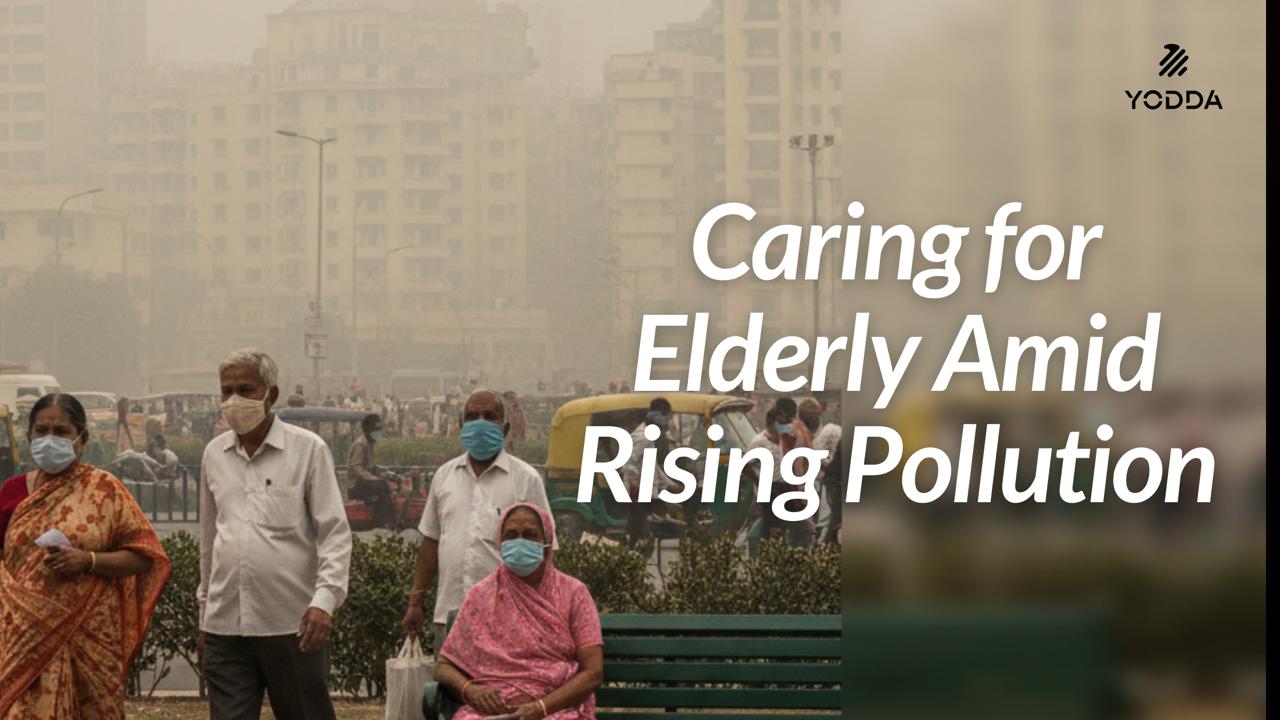
Poor air quality can make everyday routines harder, especially for a parent with heart or lung concerns. A practical plan can cover local advisories, time outdoors, the home environment and who to contact if symptoms change. Make those decisions with your parent and their clinical team.
This blog examines how rising pollution affects elders and what can be done to keep them safe, comfortable, and supported during high-pollution periods.
Understanding Air Pollution: Causes and Effects on Human Health
The causes and effects of air pollution are closely linked to serious lung diseases, especially among elders. Long-term exposure to polluted air worsens respiratory conditions and increases hospitalisations and deaths.
The health effects of air pollution are clearly evident in Chronic Obstructive Pulmonary Disease (COPD). According to the EPA, COPD was the fourth leading cause of death in the United States.
Common symptoms include:
Chronic cough
Excess mucus production
Chest tightness
Shortness of breath
Difficulty breathing
Smoking is a major risk factor. COPD is also linked to long-term exposure to workplace dust and fumes.
COPD is more common in elders and significantly reduces quality of life. As the population ages, the number of elders with COPD and asthma is expected to rise.
Outdoor air pollution is a major trigger for COPD and asthma in the elderly. Particle pollution can worsen lung disease and lead to hospitalisation or premature death.
Ozone exposure may:
Aggravate lung conditions
Increase emergency room visits
Lead to hospital admissions
Consider the time your parent actually spends indoors and the likely sources of smoke or irritation in their home. A practical review is more useful than assuming every household has the same exposure.
Indoor environmental triggers include:
Tobacco smoke and second-hand smoke
Animal dander
Dust mites and cockroaches
Mould, dust, and pollen
Additional indoor pollution sources include:
Combustion products from oil, gas, kerosene, and coal
Pressed wood building materials and furnishings
Pesticides and household cleaning products
Substances with strong or irritating odours
How Does Air Pollution Affect the Elderly?
Air pollution enters the body through breathing and directly harms vital organs. Elders are more vulnerable due to weaker immunity and existing health conditions.
What Organs Are Impacted by Air Pollution?
The health effects of air pollution extend to nearly every organ in the body. Fine pollutants pass from the lungs into the bloodstream and circulate throughout the body.
Affected organs include:
Lungs
Heart
Brain
Blood vessels
This circulation causes systemic inflammation and increases the risk of cancer.
What Diseases Are Linked to Air Pollution Exposure?
The causes and effects of air pollution include increased mortality and an increased risk of chronic disease. Strongly linked conditions include:
Stroke
Ischaemic heart disease
Chronic obstructive pulmonary disease (COPD)
Lung cancer
Pneumonia
Cataracts from household air pollution
Additional evidence links air pollution to:
Diabetes
Cognitive impairment
Neurological diseases
Certain cancers
Adverse pregnancy outcomes
Which Air Pollutants Pose the Greatest Health Risk?
Some pollutants have stronger evidence for severe health effects of air pollution. Key harmful pollutants include:
Particulate matter (PM)
Carbon monoxide (CO)
Ozone (O₃)
Nitrogen dioxide (NO₂)
Sulphur dioxide (SO₂)
Fine particulate matter is especially dangerous because it penetrates deep into the lungs and bloodstream.
How Long Does Exposure Take to Cause Harm?
Both short-term and long-term exposure to air pollution can cause illness. There are no safe thresholds for some pollutants.
Short-term exposure may cause:
Reduced lung function
Respiratory infections
Worsened asthma
Long-term exposure increases the risk of:
Stroke
Heart disease
COPD
Cancer
Who Is at Higher Risk From Air Pollution?
Certain groups experience stronger health effects of air pollution. High-risk populations include:
Elderly individuals
Children
Pregnant women
Genetics, nutrition, existing diseases, and socioeconomic factors further influence risk.
Caring for Elders with Dementia in High Pollution Environments
Research has explored links between pollution and cognitive health. Families can discuss exposure concerns and a practical daily plan with the treating team, especially with long-term exposure to particulate matter.
Every winter, many Indian cities experience severe air pollution. Smog affects not only the lungs but also brain health, increasing the health effects of air pollution on elders.
Follow local public-health advice and discuss ventilation, filtration and indoor comfort with an appropriate professional. Closing windows alone is not a complete indoor-air plan.
Pollution often peaks:
Early morning
Late evening
Fresh air during winter is not always safe for elders with dementia.
Routine is essential in dementia care during high-pollution periods. Predictable schedules reduce confusion and anxiety.
Daily routines focus on:
Fixed meal times
Regular rest periods
Consistent activities
These structures help elders feel secure as memory declines.
Engagement helps reduce stress caused by pollution-related confinement. Simple, familiar activities provide comfort and purpose.
Effective activities include:
Folding laundry
Sorting grains
Watering plants
Listening to familiar music
Familiar music may be enjoyable for some people. Ask what they like and stop if an activity is upsetting or tiring. For a therapeutic programme, seek guidance from a suitably qualified professional rather than promising a memory benefit.
Regular music-based engagement, especially during winter, helps prevent isolation and low mood caused by limited outdoor activity.
Precautions and Control Measures to Reduce Pollution Exposure
Reducing exposure involves local air-quality advice, the home environment and the person’s health needs. Because seniors are more vulnerable to respiratory and cardiac stress, reducing exposure to air pollution is essential to prevent serious health effects.
Use Face Masks Outdoors
Ask the clinical team whether a well-fitting certified N95 mask is appropriate outdoors, how to fit it and when to replace it if damaged. Follow local public-health advice and the person’s treatment plan; do not assume a mask removes every risk.
Monitor Pollution Levels and Health Alerts
Check local advisories through a reliable app or website and plan outdoor activity with your parent and care team. Ask whether a home monitor or remote information sharing would help and who may access it. AQI is a planning aid, not a diagnosis; follow individual treatment advice and local public-health guidance.
Improve Indoor Air Quality With Air Purifiers
Indoor exposure contributes to the causes and effects of air pollution. Since elders spend most of their time indoors, clean indoor air is critical.
Best practices:
Install air purifiers in bedrooms and living areas
Keep purifiers switched on during high pollution months
Maintain filters as recommended by the manufacturer
Choosing Plants for Enjoyment, Not Air Cleaning
Certain houseplants support better indoor air quality. Useful options include:
Peace Lily
Dracaena
Garden Mum
Spider Plant
Plants can be enjoyable to care for, but they are not a substitute for managing indoor pollution. Check allergies, mould, pet safety and the space available. Discuss suitable ventilation and filtration instead of relying on plants to clean the room.
Avoid Indoor Smoke and Irritants
Reducing indoor smoke and irritants is another practical part of the plan. Indoor smoke is especially harmful to elderly lungs.
Avoid these indoor sources where possible:
Smoking and passive smoke exposure
Agarbattis and incense sticks
Aerosol sprays and harsh chemicals
Encourage the use of exhaust fans, chimneys, and cross ventilation during cooking, especially when frying.
How YODDA Supports Elderly Care Amid Rising Pollution
Yodda can help coordinate agreed practical support when a parent would like assistance at home. It can work alongside family, neighbours and qualified providers; informal support should not be dismissed simply because it is unpaid.
During periods of poor air quality, Yodda can coordinate agreed appointments, home tasks or essential errands alongside family and neighbours. Confirm availability, plan limits and backup contacts at your parent’s address; clinical providers assess symptoms and guide treatment.