
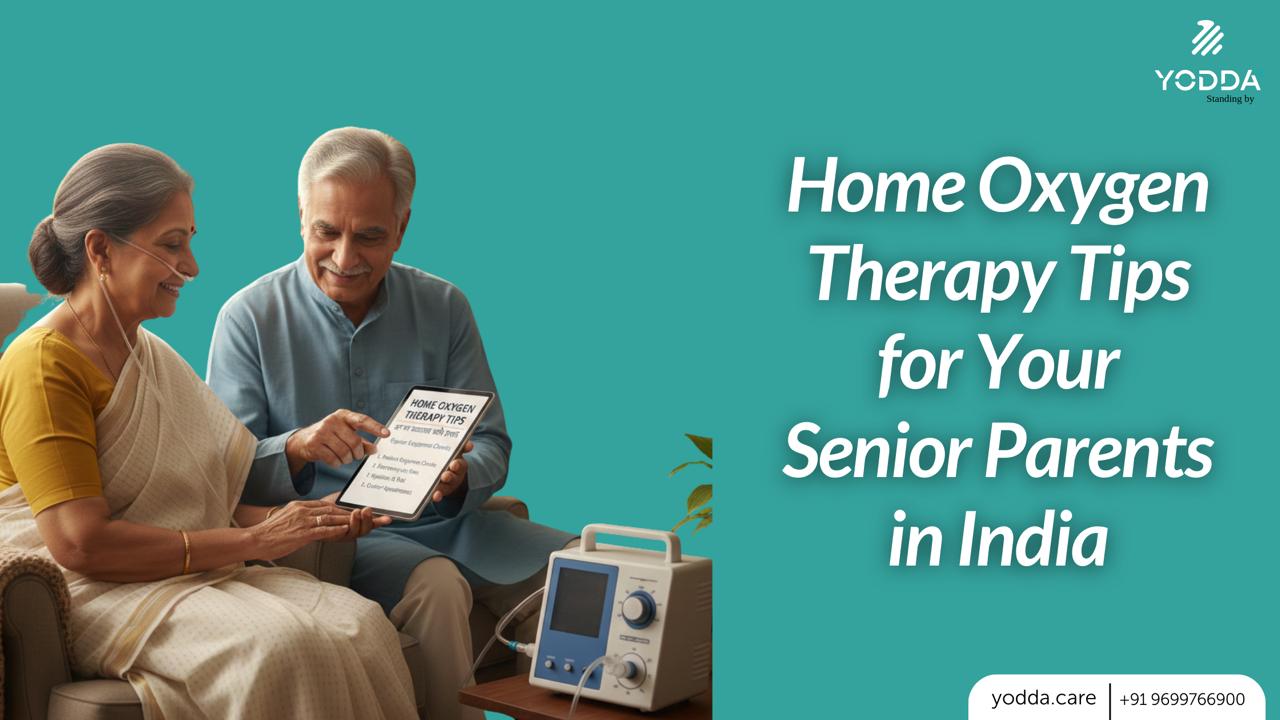
If home oxygen has been proposed or prescribed for your parent, ask the clinical team to explain the plan and the equipment provider to demonstrate its use. This guide helps organise questions about the prescription, home preparation, support and backup arrangements.
Begin with a written prescription and clear contacts. Check who will answer clinical questions, who handles equipment problems and what to do outside normal hours. Your parent and anyone helping them should have time to practise and ask questions before relying on the arrangement. Further reading: Home oxygen therapy.
Ask the prescribing team to explain when oxygen is to be used, the prescribed setting and duration, any personal monitoring targets and the action plan for concerns. The terms below may come up during that discussion.
Long-Term Oxygen Therapy (LTOT): Ask the specialist to explain the personal prescription, review schedule and what to do if equipment or supply is interrupted.
Ambulatory Oxygen Therapy (AOT): Ask whether oxygen is prescribed during movement, which equipment is suitable and what assistance is needed.
Nocturnal Oxygen Therapy (NOT): Ask whether oxygen is prescribed during sleep and how it relates to any other breathing treatment.
Short-Burst Oxygen Therapy: Ask the specialist whether there is any clinical reason to use this approach. Do not use oxygen without a personal prescription.
Palliative Oxygen Therapy (POT): Ask the palliative-care team how breathlessness will be assessed and what the person’s comfort plan includes.
Types of Oxygen Therapy Systems
Oxygen therapy at home is delivered via various systems, depending on medical needs, mobility, and usage duration. These oxygen therapy systems deliver supplemental oxygen in a controlled amount and are selected based on the patient’s condition and lifestyle.
Common oxygen therapy delivery systems include:
Compressed Gas Oxygen Systems:
If compressed oxygen is prescribed, ask the supplier to demonstrate the regulator, gauge and safe handling. Confirm how to recognise a supply issue and how replacement and backup will work.
Liquid Oxygen Systems:
Oxygen is stored as a very cold liquid in a thermos-like container. When released, the liquid converts into breathable gas. Smaller portable containers allow patients to leave home while continuing oxygen therapy.
Oxygen Concentrators:
Concentrators use electricity or batteries to concentrate oxygen from room air. Ask the supplier about the prescribed model’s operating needs, maintenance, power backup and fault response. Portability and travel approval vary by device and must be checked directly.
Questions About the Reason for the Prescription
Ask the clinician what assessment supports the proposed oxygen prescription and what it is intended to address. Check whether any other treatment is also required and when the prescription will be reviewed.
Describe any changes in breathing, comfort or daily activities to the treating team. Ask how these should be assessed and which concerns require urgent help. Symptoms alone do not tell the family which equipment or treatment is appropriate.
Understanding Your Parent’s Monitoring Plan
Ask for the personal oxygen prescription, targets and written action plan. The clinical team chooses relevant assessments and interprets results; do not start treatment from a symptom or universal saturation threshold. Confirm what remains to be assessed, how results will be explained, the review plan and what to do for concerns.
Healthcare providers use specific tests to accurately assess oxygen levels and determine the need for oxygen therapy.
Common tests used to measure oxygen levels include:
Pulse Oximeter:
Ask the clinical team to show correct use of the prescribed oximeter, explain factors that can affect readings and provide a personal action plan.
Arterial Blood Gas Test:
Ask why an arterial blood gas test is being considered, what it involves and what information it would add. The clinical team should explain preparation, interpretation and follow-up.
Lung Function Tests:
Tests such as spirometry measure how well the lungs inhale and exhale air. Some tests also evaluate how effectively oxygen is transferred from the lungs into the bloodstream.
Planning Daily Life Around the Prescription
Talk through an ordinary day with your parent and the treating team: sleep, movement, usual activities and any need for assistance. Ask which prescribed equipment and respiratory support apply, how other treatment is coordinated and who answers questions if instructions differ. Include comfort, preferences and the home layout.
Ask what changes the team would like reported and how progress will be reviewed. Keep the instructions accessible to the people your parent authorises to help, including a contact for questions about comfort or daily use.
Activity assessment: ask whether this is relevant to the person and what supervision or preparation it requires. Follow the clinical team’s instructions rather than trying a test from a general guide.
Equipment Training and Home Preparation
Ask the provider to demonstrate the prescribed equipment in the setting where it will be used. Check handling, cleaning, maintenance, alarms and the backup process, and request written instructions that your parent and authorised helpers can understand.
Oxygen is commonly delivered using:
Nasal cannula: Short tubes placed inside the nostrils for continuous oxygen delivery.
Oxygen mask: A mask worn over the nose and mouth to deliver higher oxygen concentrations.
Devices used for oxygen therapy at home include:
Large oxygen cylinders:
If cylinders are prescribed, ask the supplier about storage, handling, replacement and backup. A cylinder should not be used as an improvised response to unexplained breathlessness.
Portable oxygen cylinders:
Confirm the portable system’s weight, capacity and duration at the prescribed setting. Practise moving with it and check travel-provider requirements before arranging a trip.
Is Oxygen Therapy Safe for Elderly Parents at Home?
Home oxygen needs a personal prescription, equipment training and a safety plan. Ask the supplier and clinical team about fire precautions, maintenance and what to do if symptoms, readings or equipment cause concern. General seasonal advice does not override oxygen-specific instructions. Further reading: Caring for the elderly amid rising pollution.
Important safety precautions include:
Never smoke near oxygen equipment and stay at the distance from flames specified by the clinical team, supplier and equipment instructions, including gas stoves, candles, fireplaces, and fire pits.
Secure oxygen tanks upright to a stand or fixed object, and never roll a cylinder, as a fall or crack can cause a dangerous pressure release.
Store oxygen tanks in well-ventilated areas to prevent oxygen buildup and reduce fire risk.
Maintain the separation from heat sources and electrical equipment specified by the supplier and clinical team.
Ask the supplier about heating and room comfort as part of the oxygen-safety plan. Confirm which equipment and arrangements are suitable before using a heater or other warming device. Further reading: Winter comfort and safety.
Avoid storing flammable materials, such as aerosol sprays, cleaning agents, and petroleum-based products, near oxygen equipment.
Ask the supplier which clothing, bedding, skin products and cleaning materials can be used safely around the equipment. Follow the specific written instructions.
Keep a fire extinguisher nearby, know how to use it, and ensure smoke alarms are functioning properly.
Hyperbaric Oxygen Therapy in India
Hyperbaric oxygen therapy in India is a medical treatment used to treat chronic wounds and certain health conditions.
Hyperbaric oxygen is a separate clinical treatment using a pressurised chamber. It is not a substitute for prescribed home oxygen. Ask a relevant specialist whether there is an established indication for the person and what the assessment, risks and alternatives involve. Further reading: hyperbaric oxygen therapy.
Ask the clinical provider to explain the proposed course, supervision, possible adverse effects and emergency arrangements. Session details and suitability must come from the treating team.
If considering a provider, ask about clinical credentials, equipment standards, monitoring and referral requirements. Verify local availability directly rather than relying on a city list in an older article. Further reading: Elder care in Delhi.
Ask which recognised indication the proposed treatment addresses and what evidence is relevant to that condition. Do not assume that a treatment advertised for general wellbeing or a neurological condition is appropriate.
How Yodda Can Help with Oxygen Therapy at Home
Yodda can help coordinate agreed non-clinical tasks and appointments alongside family, the prescribing team and the equipment supplier, subject to local availability. The prescribing team sets treatment and monitoring instructions; the supplier explains safe operation and maintenance. Agree responsibilities and a written backup plan covering clinical contacts, equipment faults, power cuts, supply interruptions and emergency help. Coordination cannot guarantee continuous equipment operation or clinical safety.
Frequently Asked Questions
Can seniors travel or move around while on home oxygen therapy?
Discuss the proposed journey with the clinical team, equipment supplier and transport provider before booking. Confirm suitable equipment, power or supply needs, assistance and backup arrangements for the actual route and destination.