
A comfortable home should fit the person living in it. Walk through everyday tasks with your parent: reaching a shelf, using the bathroom, moving at night and answering the door. Small changes may help, and a qualified home assessment can guide adaptations where needed.
Walk Through the Home Together
Follow the tasks your parent actually does. Ask which changes they welcome, and get a qualified assessment where an adaptation needs professional advice.
Hallways, Stairs and Night-time Routes
Clear Pathways: Keep walkways free of clutter and ensure furniture is arranged to allow easy movement.
Adequate Lighting: Ensure proper lighting in all areas, especially staircases, hallways, and bathrooms.
Kitchen
Fire Safety: Educate them about safe cooking practices and the use of fire extinguishers.
Appliance Use: Ensure they understand how to safely operate kitchen appliances.
Utensil Storage: Store commonly used utensils within easy reach to avoid straining.
Bathroom
Non-Slip Mats: Use non-slip mats in the shower and on bathroom floors.
Toilet Safety: Install raised toilet seats or grab bars for ease of use.
Medication Organization: Teach proper medication storage and disposal.
Medicine Storage and Routine
Labelling: Ensure all medications are labeled clearly.
Dosage Schedules: Help them create a schedule for taking their medications.
Pharmacy Services: Encourage regular check-ins with the pharmacist for medication reviews.
Doors and Entry
Locks and Alarms: Ensure all doors and windows have secure locks and consider installing alarms.
Safety Procedures: Discuss how to respond to unexpected visitors or phone calls from strangers.
Smoke Alarms and Escape
Install Smoke Detectors: Ensure smoke detectors are functional and installed in key areas.
Fire Escape Plan: Develop and practice a fire escape plan .
Using Technology and Communication for Safety
Use Personal Alarms: Seniors can use wearable personal alarms to call for help in emergencies.
Keep contact information current and practise the agreed alert process. Confirm current features, consent and access settings, charging, connectivity, who receives alerts and what to do if the app or phone is unavailable.
Regular Check-Ins for Senior Well-being
Encourage regular visits from family and friends, as well as professional caregivers, to ensure seniors' well-being.
Emergency Numbers for Quick Assistance
Make sure seniors know how to dial an emergency number and provide their address in case of an emergency.
Adaptations for Mobility and Home Safety
For seniors with mobility issues, consider adaptations like stairlifts, ramps, and home modifications for wheelchair accessibility.
How Yodda Enhances Home Safety for Seniors
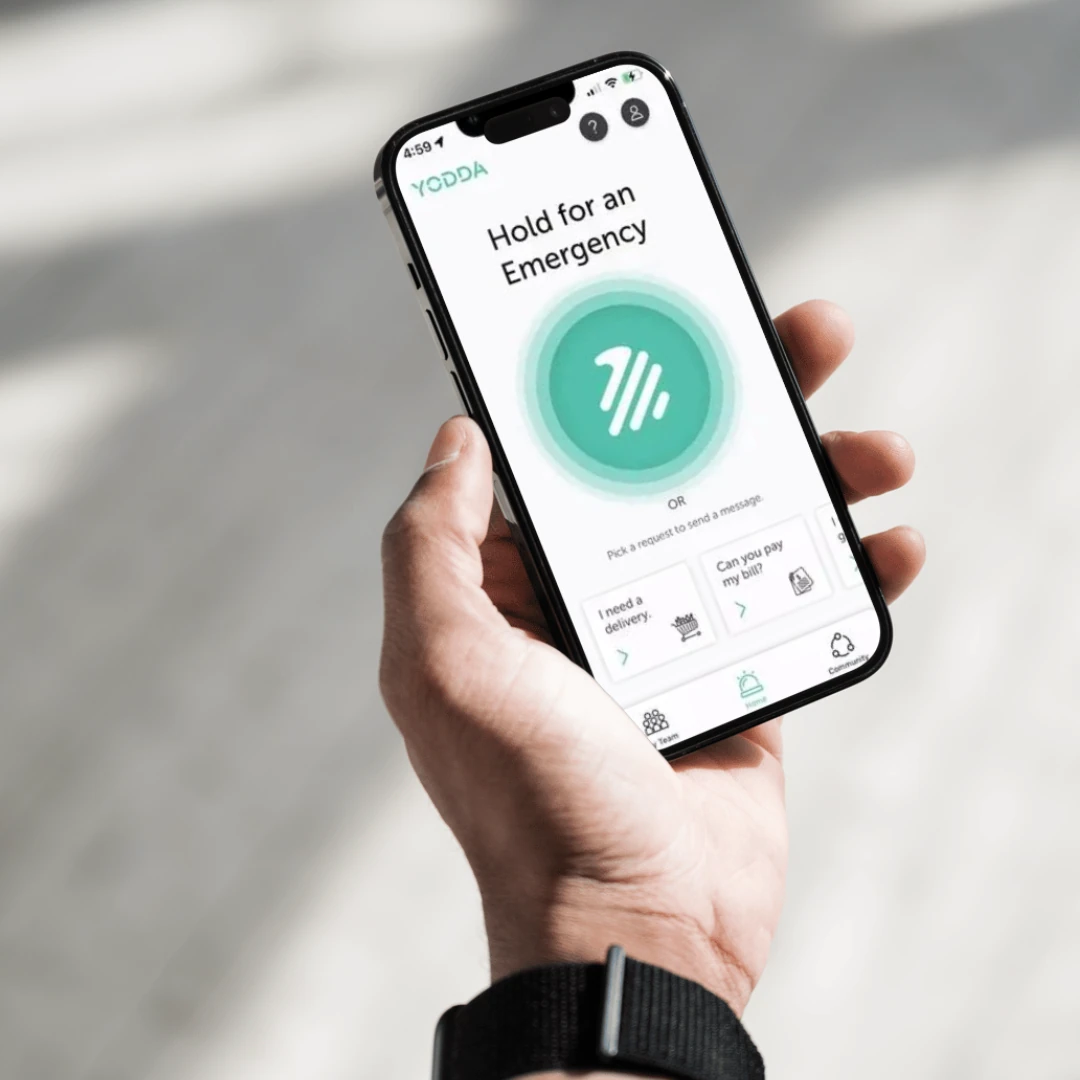
Yodda provides wellbeing contact at the frequency included in the chosen plan and coordinates alerts through its 24/7 Command Centre. Confirm local assistance and backup contacts. Coordination cannot guarantee every concern is detected or immediate arrival.
If extra support would be helpful, speak with Yodda about your parent’s location, daily routine and preferences. Ask what can be arranged, what it costs and how it works alongside family and clinical care.