
Table of Contents
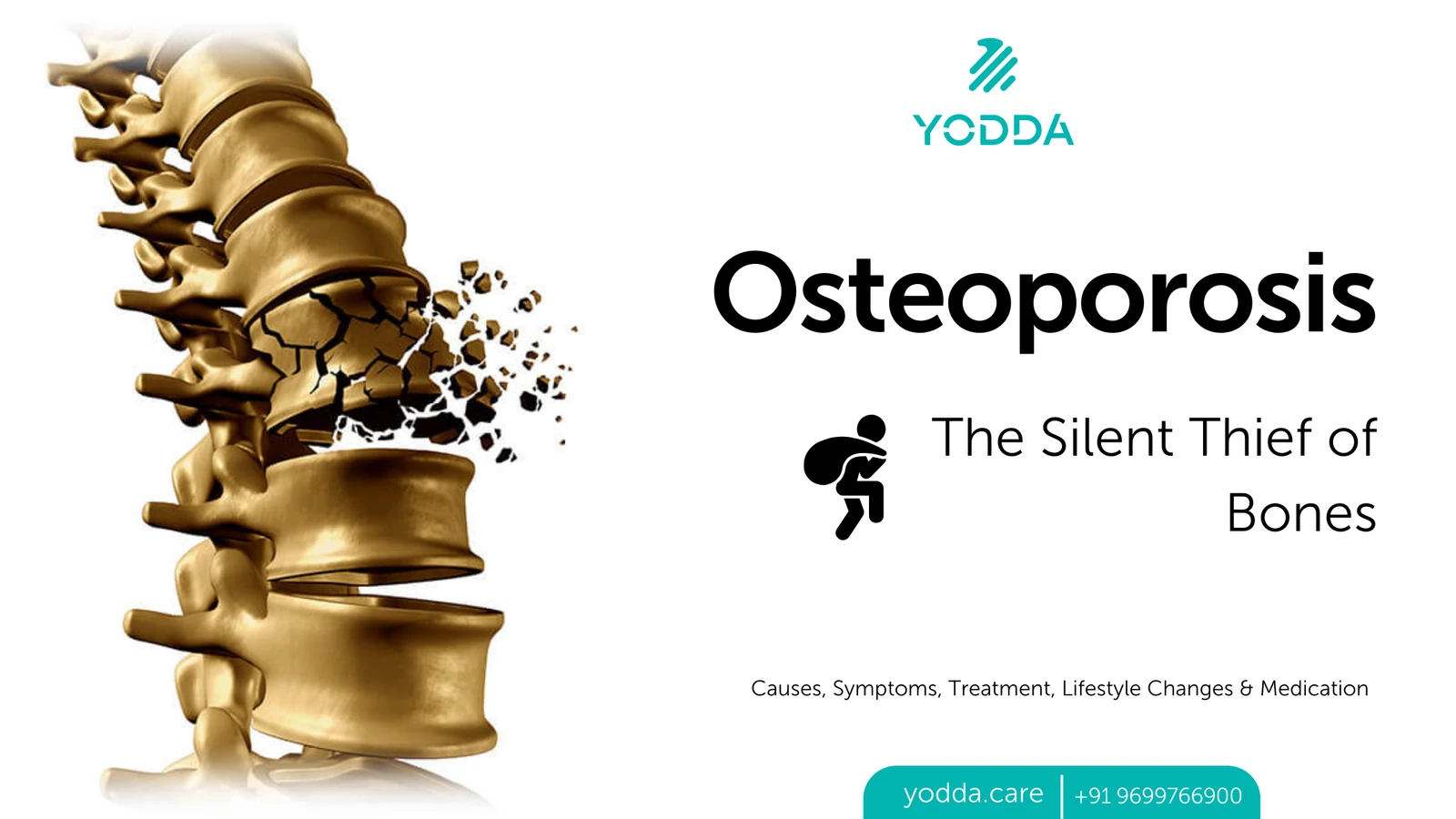
Osteoporosis affects bone strength and can increase the chance of fractures. A clinician can assess individual risk and explain whether testing or treatment is appropriate. Families can help prepare questions and arrange practical support with appointments, daily routines and the home environment.
Causes of Osteoporosis
Ask the clinician how personal history and health conditions affect bone health. Bring details of previous fractures, falls and current medicines so the discussion reflects the individual.
Age: Ask how age fits into the overall assessment rather than assuming everyone has the same degree of bone loss.
Sex and personal history: Ask which factors are relevant to the person’s assessment.
Hormonal health: Discuss relevant history with the clinician and ask whether any further evaluation is needed.
Family history: Mention fractures or diagnosed osteoporosis in close relatives.
Nutrition: Ask whether food intake or a deficiency needs assessment; do not begin supplements without appropriate advice.
Daily habits: Discuss activity, smoking and alcohol honestly so recommendations are realistic and individual.
Symptoms of Osteoporosis
Bone health concerns may not be obvious from symptoms. Ask whether testing is appropriate, especially after a fracture or other concerning change.
Back pain: Seek assessment rather than assuming the cause is osteoporosis.
Loss of height: Mention any noticed change to the clinician.
Posture changes: Describe changes and any discomfort or difficulty with movement.
Treatment of Osteoporosis
Ask what the treatment plan is intended to achieve and how it will be reviewed. The options depend on the assessment and may include medicine and practical measures.
Lifestyle Changes
Discuss daily routines and support with the clinical team:
Activity: Ask which exercises are suitable, particularly after a fracture or when movement is painful.
Food: Ask a dietitian or clinician about suitable meals and whether calcium or vitamin D needs further assessment.
Smoking: Ask about support to stop if the person would like help.
Alcohol: Discuss intake and any medicine interactions with the treating team.
Medication
Medicine decisions need an individual discussion. Ask the prescriber to explain:
The recommended medicine: Why it is appropriate and what benefits and risks to consider.
Administration and review: How it is taken, what follow-up is needed and whom to contact about side effects.
Continuity: What to do if a dose or appointment is missed, and why treatment should not be changed without advice.
Conclusion
A useful plan brings the clinical advice and daily arrangements together. Keep follow-up details accessible and ask for clarification if medicine instructions or activity advice are unclear.
Yodda can help coordinate available consultations, transport and practical support at home. Discuss the person’s needs and the relevant provider arrangements. Bone-health assessment and treatment are delivered by qualified healthcare professionals. Related resources: Yodda visit our website contact our team