
A fire-safety plan should reflect everyone living at home, including anyone who needs help hearing an alarm or leaving the building. Review exits and support arrangements together, and ask the building manager or local fire service to advise on the home’s specific needs.
1) Understanding the Risks:
Walk through the home together and identify cooking areas, electrical concerns, smoking and equipment that may affect fire safety. Ask the building manager or local fire service to review risks that need professional attention.
2) Prevention Tips:
Install Smoke Detectors:
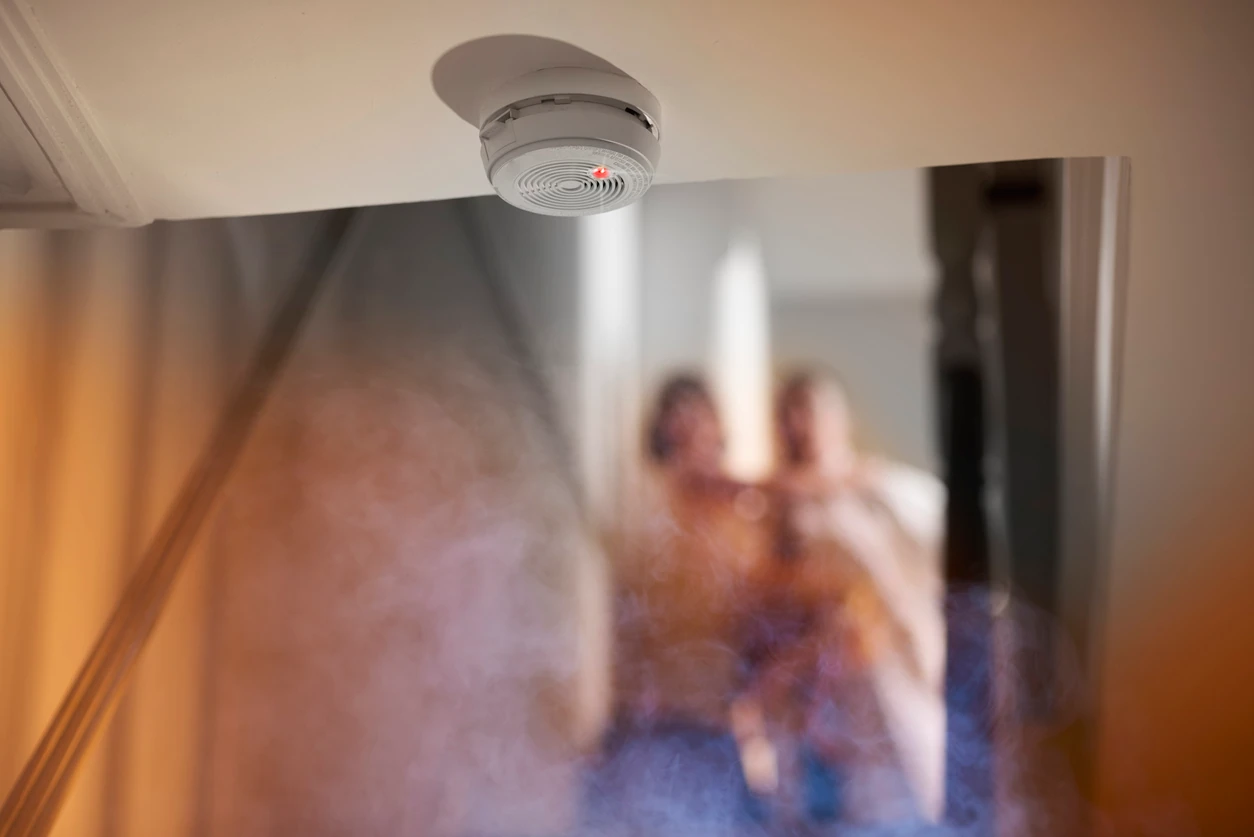
Ask which smoke alarms are suitable for the home and how to test and maintain them. If hearing an alarm is difficult, discuss alternatives such as visual or vibrating alerts. Agree who will help with checks.
Declutter Living Spaces:
Keep agreed escape routes clear of stored items, loose cables and furniture. Check that a person using a walking aid or wheelchair can pass through the relevant doorways. Arrange help with clearing or moving items.
Safe Cooking Practices:
Use a cooking timer if reminders would help. Discuss what to do if cooking becomes difficult and arrange assistance where needed. Never smoke around medical oxygen; ask the equipment provider about all fire precautions.
Electrical Safety Measures:
Arrange a qualified electrician to assess damaged wiring, loose fittings or other concerns. Ask the building manager about shared electrical and fire-safety systems. Avoid attempting unfamiliar repairs.
3) Creating a Fire Escape Plan:
Why an escape plan matters
Agree who will assist each person, which routes are usable and where to meet outside. Share the plan with relevant neighbours and the building manager. Ask the local fire service for advice if leaving independently would be difficult.
Regular Practice:
Talk through and practise the agreed plan at a comfortable pace. Check whether routes and assistance arrangements work in real life, then revise them if they do not. Keep emergency contacts accessible.
Considerations for Mobility-Impaired Seniors:
Plan around mobility, hearing, vision and communication needs. Tell the building manager or fire service about assistance that may be required and ask how it will be provided. Do not rely on an assumed rescue arrangement.
4) Essential Fire Safety Equipment:
Overview:
Ask a qualified fire-safety professional which equipment is appropriate and who should be trained to use it. Equipment should support the escape plan rather than delay leaving or requesting emergency assistance.
Using a Fire Extinguisher:
Discuss extinguisher use with a qualified trainer. Do not assume every household member can or should attempt to tackle a fire. The plan should make clear when to leave and call emergency services.
Importance of a Fire-Resistant Blanket:
Ask whether a fire blanket is appropriate for the home and what training and placement are needed. Keep any equipment maintained according to its instructions and never let it replace a clear escape plan.
5) Educating Seniors and Caregivers:
Role of Education:
Make sure everyone supporting the elder knows the alarm, escape routes, meeting point and contact numbers. Review the plan when care arrangements, mobility or the home layout change.
Tips for Caregivers:
During visits, notice blocked exits or alarms that need attention and report concerns to the person responsible. Confirm the elder can reach their phone or alert device and understands how to request help.
6) Emergency Response for Seniors:
In Case of Fire:
If a fire occurs, follow the agreed escape plan and emergency-service instructions. Call 112 in India for urgent assistance. Tell the dispatcher the address and whether anyone needs help leaving; do not return for belongings.
Staying Calm:
Keep the plan simple enough to use under stress. Clear roles, accessible contacts and practice can help people focus on the next step. Discuss uncertainties with the building manager or fire service before an emergency.
Conclusion:
A useful fire-safety plan is specific to the home and the people living there. Review it together, arrange professional advice and keep responsibilities clear so everyone knows how to request help.