
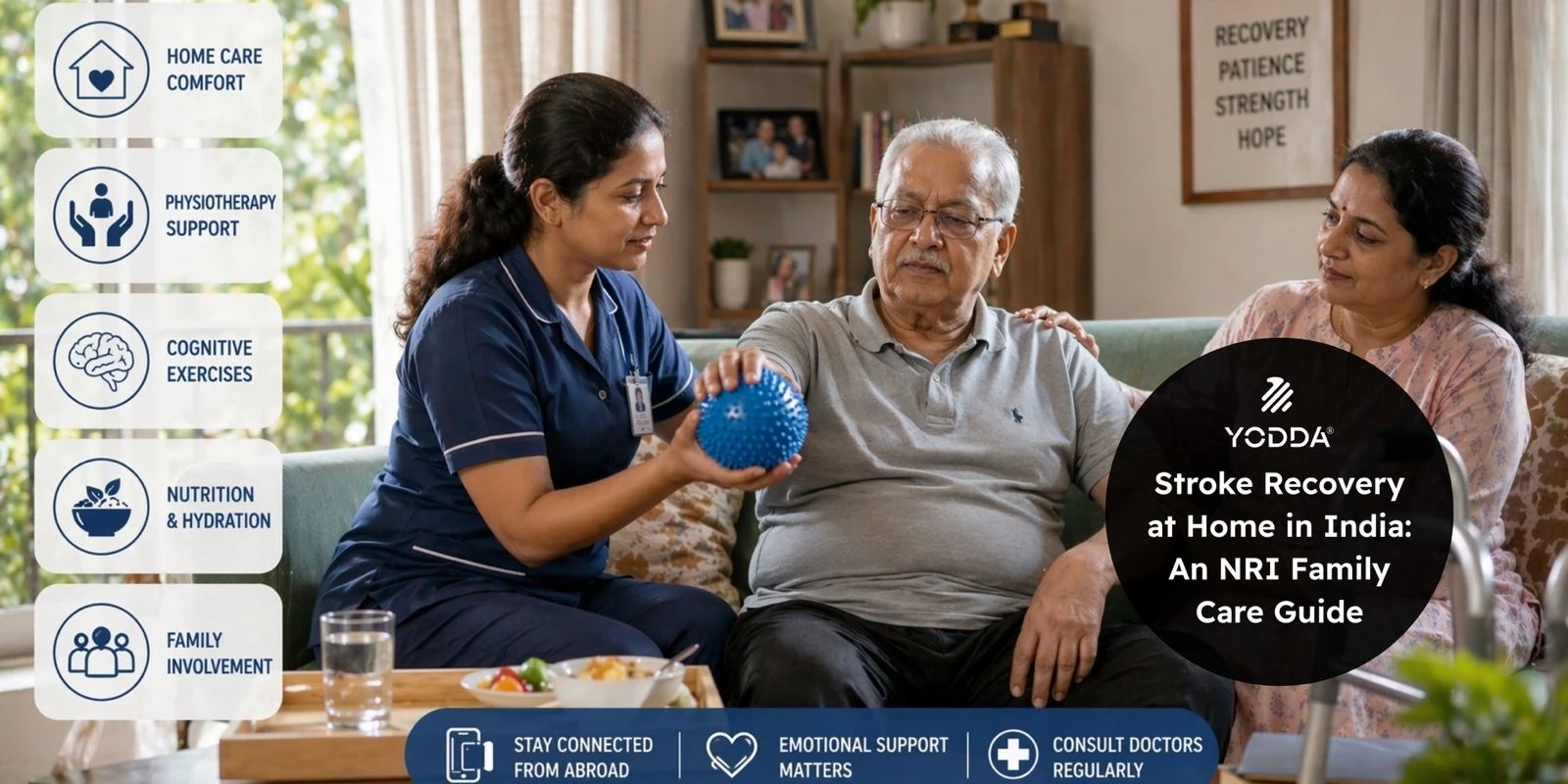
Before discharge, ask for a written summary and a clear explanation of the recovery plan. Keep copies accessible to the person and those they agree should support care. Related resources: India's National Stroke Registry Program
Coming home after a stroke can bring relief and new questions. Ask the treating team for a written recovery plan covering rehabilitation, medicines, eating and swallowing, mobility, follow-up and when to seek urgent help. Families abroad can then agree who will support each part locally.
Key Takeaways
Plan the transition home with the treating team, including appointments, practical assistance and whom to contact about a concern. Related resources: Stroke research background
Know the possible signs of another stroke and seek emergency help immediately if they occur. Do not wait for every sign to be present.
A well-structured stroke care plan should include physical rehabilitation, medication adherence, dietary changes, home fall-proofing, and regular neurological follow-ups.
Recovery after a stroke is not linear. Progress can stall, plateau, and then surprise you. Emotional support for both the patient and the caregiver matters as much as the physical care.
Family support is valuable, and rehabilitation needs professional assessment. Ask the clinical team what family members can help with and which tasks need a qualified practitioner. Related resources: Family-led rehabilitation alone is not sufficient
For families abroad, clear local responsibilities and communication arrangements can make coordination more manageable.
What Happens to the Brain During a Stroke?
A stroke affects blood flow to part of the brain. The type and effects of the stroke influence treatment and rehabilitation, so ask the treating clinician to explain the individual diagnosis. Related resources: Stroke research source
The weeks after a parent returns home can feel uncertain when you live abroad. A written plan, local contacts and agreed updates can help you understand what support is in place.
Understanding what brain stroke recovery actually involves, medically and practically, is the first step to building a plan that works.
How Do You Recognize a Stroke? First Aid for Stroke at Home
Sudden face weakness, arm weakness or speech changes may indicate a stroke. Seek urgent medical help even if symptoms stop; other sudden neurological changes also need urgent assessment.
The following are possible warning signs. They are prompts to seek emergency help, not a checklist that must be completed before calling:
B — Balance: Sudden loss of balance or coordination, stumbling without explanation.
E — Eyes: Blurred vision, double vision, or sudden vision loss in one or both eyes.
F — Face: One side of the face may droop, or the smile may be uneven.
A — Arms: One arm drifts downward when both are raised.
S — Speech: Slurred words, inability to repeat a simple sentence, or confusion mid-conversation.
T—Time: Call 108 (ambulance) or 112 (emergency) immediately and note the exact time symptoms started.
Call 112 in India for suspected stroke and follow the emergency dispatcher’s instructions. Do not delay to see whether symptoms improve or attempt unfamiliar first-aid measures. Related resources: significant stroke risk in the days that follow
What Does a Care Plan for a Stroke Patient at Home Actually Look Like?
Ask the discharge team to explain how rehabilitation will work at home. Identify the professionals involved, the tasks family or carers can assist with and a contact for questions.
A comprehensive stroke care plan involves the collaboration of multiple components.
Physical rehabilitation: Ask the therapist for an individual programme, suitable support between appointments and instructions about pain, fatigue or changes in ability. Do not apply a standard daily exercise duration to every person. Related resources: 2023 National Clinical Guideline for Stroke
Medicines: Ask the prescriber or pharmacist for the current list, timing, missed-dose instructions and review arrangements. The medicines depend on the type of stroke and the individual; family members should not select or adjust them.
Food and daily habits: Ask for advice suited to the diagnosis, other conditions and any swallowing difficulties. Request clear guidance on textures, fluids and assistance if eating or drinking needs support.
Fall prevention. Neurological deficits from stroke often affect balance and spatial awareness. The home environment needs to be assessed and modified, grab bars fitted, rugs removed, and nighttime lighting improved.
Speech and cognitive rehabilitation. Aphasia, memory difficulties, and attention problems affect a significant proportion of stroke survivors. Recovery is facilitated by structured cognitive exercises, patient communication, and regular engagement. Home settings often overlook this aspect.
Emotional support: Make space for the person to describe how recovery feels. Tell the treating team about persistent low mood, withdrawal or distress so suitable help can be arranged. Related resources: frequently goes undiagnosed at home
Why NRI Families Face a Uniquely Difficult Challenge
Ask which rehabilitation and follow-up services are available locally, their qualifications and how they share information. Discuss options with the treating team if access is difficult. Related resources: Most people with strokes in India have limited access to organized rehabilitation services
Relatives, friends and household support can help with everyday tasks. Agree their roles alongside the clinical rehabilitation plan so no one is expected to perform work beyond their training.
A useful local arrangement has clear responsibilities for appointments, observations, prescribed routines and escalation. Qualified professionals assess changes; practical support helps the plan happen.
How Yodda Supports Stroke Recovery Families in India
This is the part of the care plan for stroke patients at home that many families don't know exists.
Yodda can help families coordinate available appointments and everyday support in India, including when relatives live elsewhere. Related resources: Yodda
Discuss the roles of Yodda’s care representatives and the relevant clinical providers. The 24/7 Command Centre coordinates emergency requests; treatment and rehabilitation are delivered by appropriately qualified professionals. Related resources: ISO 9001:2015 and ISO 22320:2018 certified processes
Ask about assistance with follow-ups, transport, appointment accompaniment and family updates. Confirm which services are included, available locally or provided separately. Related resources: healthcare support
Available support depends on the care address, selected plan and provider availability. Check current service areas.
What to Monitor During Recovery After Stroke
Ask the clinical team what to record during recovery and how often. The list below can help prepare that conversation:
Changes in speech clarity or comprehension (worsening may indicate a new event)
Swallowing difficulties, which increase pneumonia risk
Grip strength and mobility milestones week to week
Blood pressure or other readings, only as the treating clinician recommends.
Sleep quality and mood, since post-stroke depression is common and treatable
Medication adherence, including whether doses are being taken correctly and consistently
Seek urgent medical help for sudden new stroke-like symptoms or serious deterioration. For other concerns, use the contact and escalation instructions provided by the treating team. Related resources: Recurrent strokes are a real risk, particularly in the first 90 days
Frequently Asked Questions
What is the most important thing to do in the first minutes of a suspected stroke?
Call 112 in India and follow the dispatcher’s instructions if a stroke is suspected, even if symptoms stop. Note when symptoms began if known, without delaying the call.
How long does brain stroke recovery typically take?
Recovery varies between individuals. Ask the rehabilitation team about current goals, how progress will be reviewed and what support is needed; avoid using a fixed timeline as a prediction.
Can a stroke patient recover fully at home in India?
The clinical team can explain which recovery goals are realistic and whether home care is appropriate. Discuss professional rehabilitation, equipment, practical support and any alternatives for the individual. Related resources: Rehabilitation study
What should a care plan for a stroke patient at home include?
A complete stroke care plan covers physical physiotherapy, medication management, dietary adjustments, fall prevention in the home environment, speech and cognitive rehabilitation where needed, and regular follow-ups with the neurologist. It should also include a clear emergency response protocol so that, if symptoms recur, the right actions are taken in the right order without confusion.
How can NRI families manage stroke recovery from abroad?
Agree a written plan with the treating team and clear local responsibilities. A care coordinator may help with logistics and updates alongside trusted contacts; qualifications and availability should match the tasks involved.